
Back to map
The Parish Church
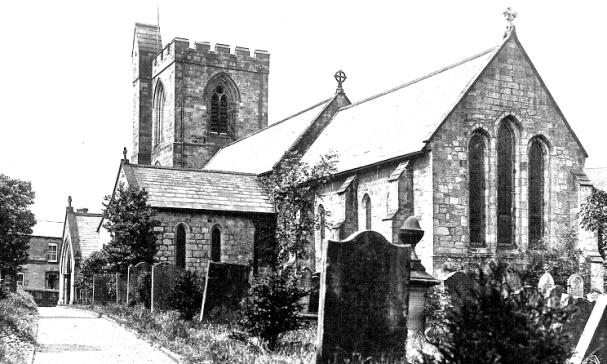
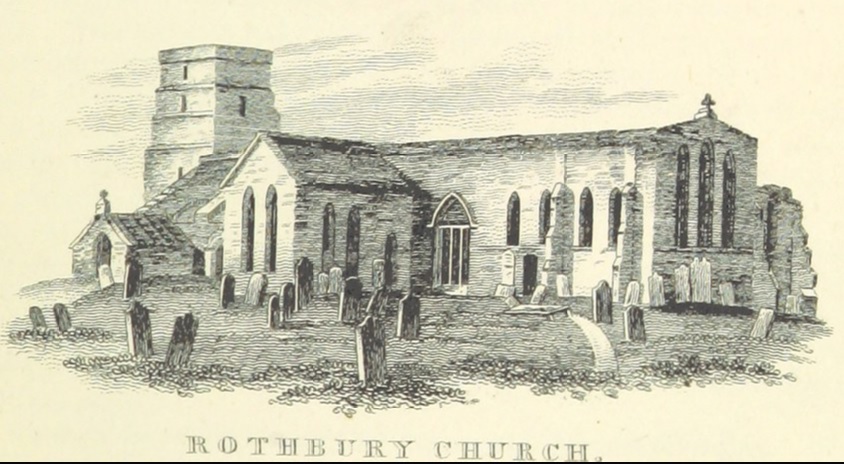
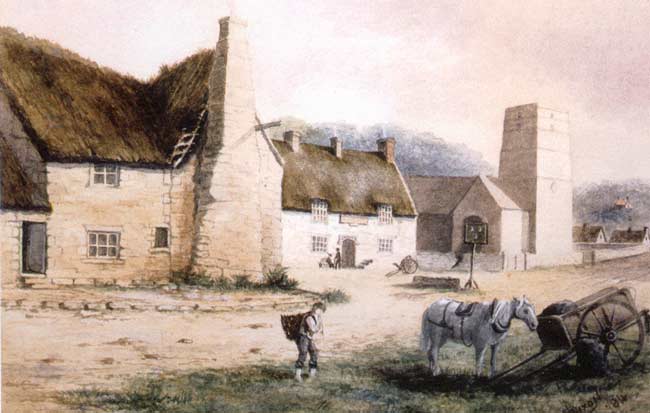
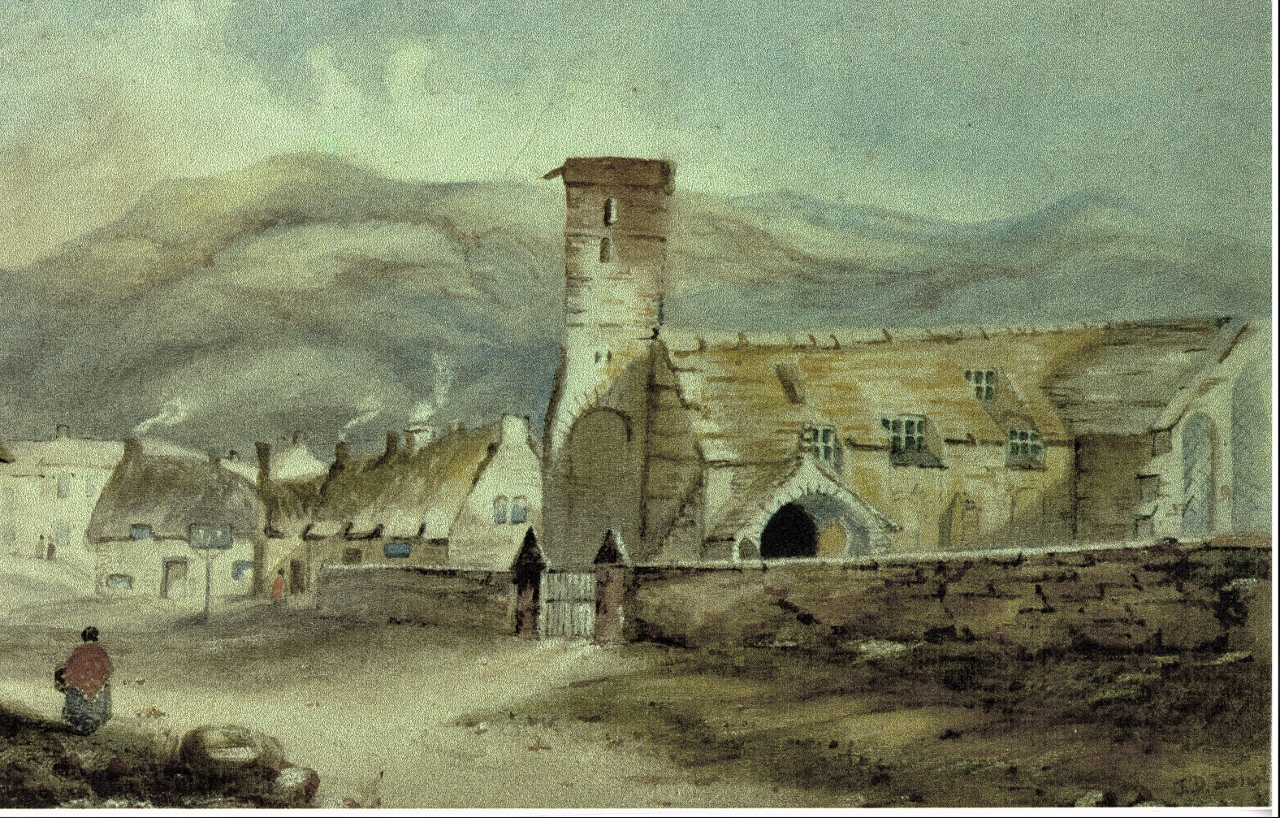
All Saints Parish Church is an ancient place of worship with the Gospel having been preached here for some 1,200 years. The Anglo-Saxons had a royal burgh here and the existence of the Anglican cross and evidence of a monastic building to the west of the present church (although this is now disputed) would indicate that there was a church on this spot in earlier times. It may in fact have been the site of two Saxon churches originally linked by a tower, although nothing of this date now survives above ground. It is thought that the monastic church may have been destroyed by Vikings or possibly Normans; but the eastern part seems to have survived to become the foundation of a new building in the 13th century, part of which can still be seen in the chancel, the chancel arch and the east walls of the transepts. The earliest record of the church is when Henry I confirmed that it had been given to the Monastery of Tynemouth by the Earl of Mowbray in 1090
In the 18th century the church had galleries, dormer windows and a three-decker pulpit. But in 1850 when Rector, Canon C. Vernon Harcourt undertook the renovation, these disappeared, and apart from a few additions and minor decorative alterations the church remains very much as we see it today.
In 1901 a carved oak pulpit, choir stalls and chancel screen were added. The pulpit was erected
“in affectionate memory of Margaret, wife of Baron Armstrong of Cragside, who died on the 2nd September 1893….” The chancel screen with its flowing tracery and emblazoned with the arms of landowners and benefactors was erected “……in loving memory of William George Baron Armstrong of Cragside……..”.
The choir stalls are inscribed “………in loving memory of Edward Mallet Young, Rector of Rothbury, 1894-1900…………….by his widow, brothers and sisters”
In the early 50’s the pulpit was moved from its normal position, on the right facing the altar, to the other side as shown in the photo. Today no-one is quite sure why this was done as it now obscures two memorial plaques.
On the oaken screen that divides the chancel from the vestry may be seen panels with the coats of arms of twelve of the Rothbury rectors. The vestries themselves are built
upon the site of the old Cartington chantry in 1886. This chantry had fallen into decay over the years and in 1658 was blocked up to keep out the elements and other undesirables.
The eagle lectern was given in memory of Dr Ainger, rector from 1871-1886 whilst the reredos behind the altar was erected in memory of his third son, Herbert Ainger.
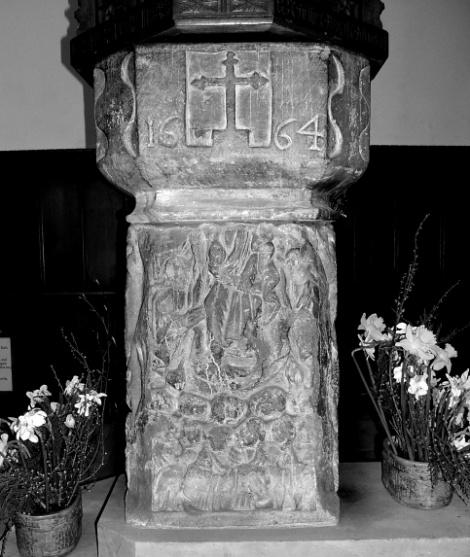
One of the greatest treasures in the church is the pedestal of the font. Although the font bowl is dated 1664, replacing the one damaged in the Civil War the pedestal is Anglo-Saxon. Remnants of the old Anglo Saxon cross were found during the 1850 restoration and are now housed in the Museum of Antiquities in Newcastle. Explanatory pictures are displayed in the Baptistry. The carving of the ascension is quoted as the earliest depiction of this subject in England.
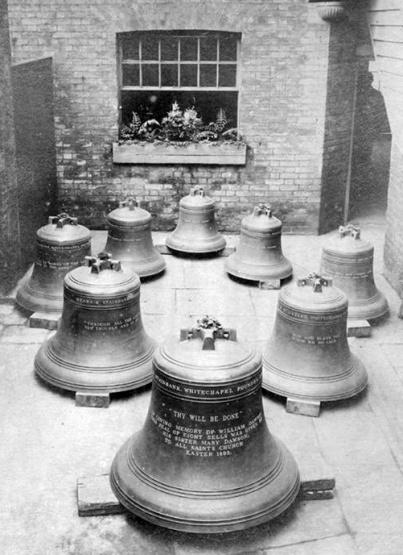
Nearby, in the corner stands a small bell inscribed ‘John Thomlinson Rector of Rothbury, 1682’ which hung in the tower till it was replaced in 1893 by the present peal of eight bells. These are tenor weight 13 cwts and carry their individual casting marks and dedication.
Mounted in the original oak frame with the joiner’s assembly marks clearly visible, these were presented to All Saints’ by Mary Dawson “..in affectionate remembrance of the late William Dawson …….”.
It is worth noting that Mary Dawson was not a resident of Rothbury although her late brother had been and it was her way of ensuring that he would not be forgotten whilst also benefiting the Rothbury community.
The new bells, frame, belfry and ringing room were all built and installed between Christmas 1892 and Easter 1893 when they were dedicated by the Bishop of Newcastle and rung by an invited band of ringers from Newcastle Cathedral. The time frame was impressive as the bells had to be cast in Whitechapel, transported to Rothbury and manhandled into the tower. All in only three months.
The original Bell Ringers Guild Record Book is still in use, containing details of accounts and events since 1893.
In 1740 a public clock was placed in the tower of Rothbury Parish Church. There is no record of how, or in what manner funds were raised for its purchase , but in the Church-wardens’ accounts there occur entries extending from 1740 to 1818, relating to its erection, repairs, “ winding up,” etc.
The last-entry in the records regarding the Church Clock is at the Easter Meeting of 1818 and soon after this it appears to have fallen into disrepair. Old Walter Mavin, the Coquet angler, who was born in 1815, told Dippie Dixon that he could not remember the Church Clock ever going during his lifetime, and that as far back as he can recollect the works were all red rust.
In 1897 the current tower clock, was erected by public subscription and on 27th June it was set in motion for the first time by Lord Armstrong’s son, William. It is not certain when the maintenance of the clock passed into the hands of the Parish Council but in the past few years a number of attempts were made to ensure its accuracy. It seemed to be a major discussion point at PC meetings. In 2012 the responsibility for maintenance was returned to All Saints with the Parish Council still responsible for costs.
To the south of the altar is the original 13th century Piscina, where the priest washes his fingers prior to consecration in the Communion Service.
On the southern outside wall of the Chancel can be found the remains of two scratch sundials and on the south lawn is a block sundial with four dials, formerly on the roof of the porch.
When the plans for a disabled toilet in the church were finally approved and works begun in 2006 archaeologists were commissioned to undertake a watching brief. As a result Dr Ian J Stewart stated that observed results disproved the results of a dowsing carried out in 1988. This work had indicated that foundations of the pre-Conquest / medieval church extended beyond the limits of the present church and beneath Church Street. However careful examination of the sewer pipe trench that cut through this area revealed no evidence of walls, foundations, construction trenches or
suchlike. Dr Stewart sugested that the dowsing had in fact picked up utility pipes and that it is likely that any earlier foundations actually lie beneath the present church. But as the earlier dowsing had indicated foundations much in the style of other mediaeval churches this has not yet been fully resolved.
The most significant archaeological feature encountered, was a medieval lime kiln. Residues from the last firing had been re-deposited back in the kiln along with demolition rubble from the kiln. Within the rubble backfill was a small architectural fragment, – bevelled along one edge with traces of lime plaster and paint, of uncertain date.
Another important discovery turned out to be a reused fragment of pre-conquest cross arm incorporated into the wall of the kiln. It may be that the original cross was actually fabricated in Rothbury and this fragment may have been part of an earlier work.
Did you know that from early times England was noted for her wool products and home grown wool was an important part of the national wealth. During the 14th and 15th centuries the protection of this national product was of great importance, and an act was passed in the reign of Charles II for the express purpose of increasing the consumption of English wool.
It was decreed that:
“No corps should be buried in anything other than what is made of sheep’s wool only; or put into any coffin lined or faced with any material but sheep’s wool, on pain of forfeiture of £5.”
The following transcript (although not unique) were found in the Rothbury Parish Register.
“Elizab. Litster, Late of Low Trewitt, deceased, ye 2nd daughter of Edward Litser was buried in nothing but wooling accordyng to ye Act on ye behalf, as does appear by ye affidavit made by Edward Litster and John Vint to Mr. Thom. Collingwood, one of his Majs. Justice of ye Peace, and his certificate under his hand bearing date ye 2nd of 7br., 1678.”
Cross the street in the ‘Closed’ Grave Yard
 Rothbury and Coquetdale History Society