
From April 2023 to March 2024
Unless otherwise stated meetings are in the Jubilee Hall: 7pm for a 7:30pm start
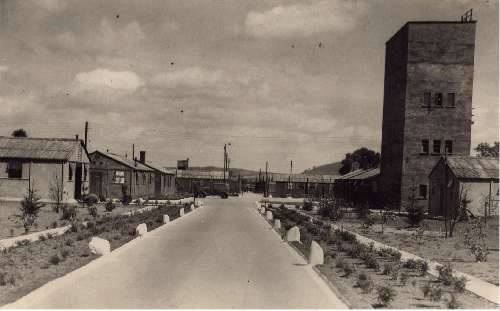
Friday 21st April 2023: WW2 POW Camp 105 (Wooler)
Speaker: Philip Rowett
Music, Murder and Reconciliation.
The story of how the camp became the means of reconciling many PoWs and the local population, leading to several of them staying behind or even marrying local women and moving to Germany after the war.
And there was a POW Camp in Rothbury!
Friday 19th May 2023: The Horsekeeper’s Daughter
Speaker: Jane Gulliford Lowes
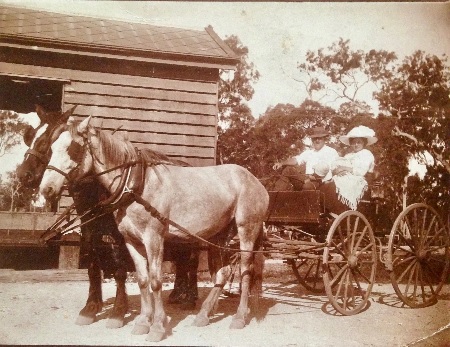
Jane tells the story of Sarah Marshall, the daughter of horsekeeper Thomas Marshall, who worked with the pit ponies in the mines of County Durham. It explores her early working life in domestic service, and her decision to grasp the opportunities of a new life in Australia through the Single Female Migrant Scheme. Jane then traces the life Sarah builds in Queensland.
Friday 16th June 2023: The Out of Town Project
Speaker: Sally Brewis
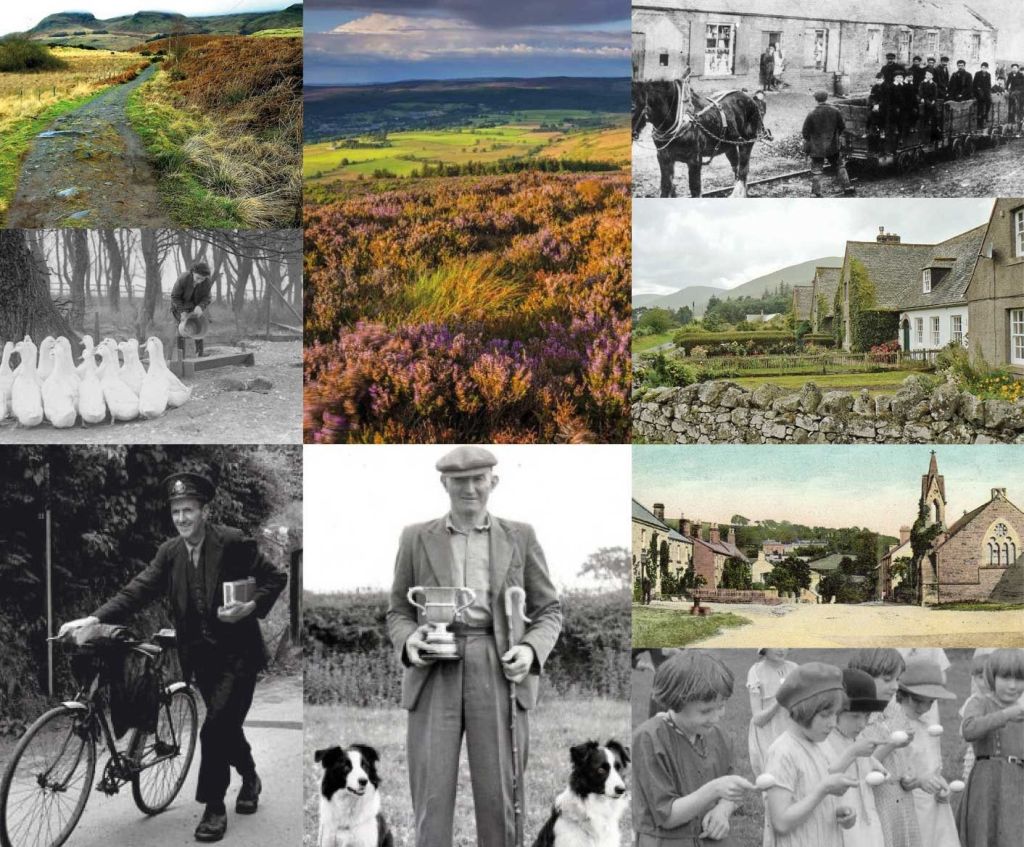
The Out of Town (OOT) Museum is a National Lottery Heritage funded project which celebrates the rural heritage of Coquetdale. OOT focuses on getting oot n aboot, on routes, journeys and travelling. OOT is collecting and recording memories and stories told in the local Northumbrian voice, along with photographs, music audio, documents and other artefacts.
Summer Trip Wednesday 12th July 2023: The Great Tapestry of Scotland
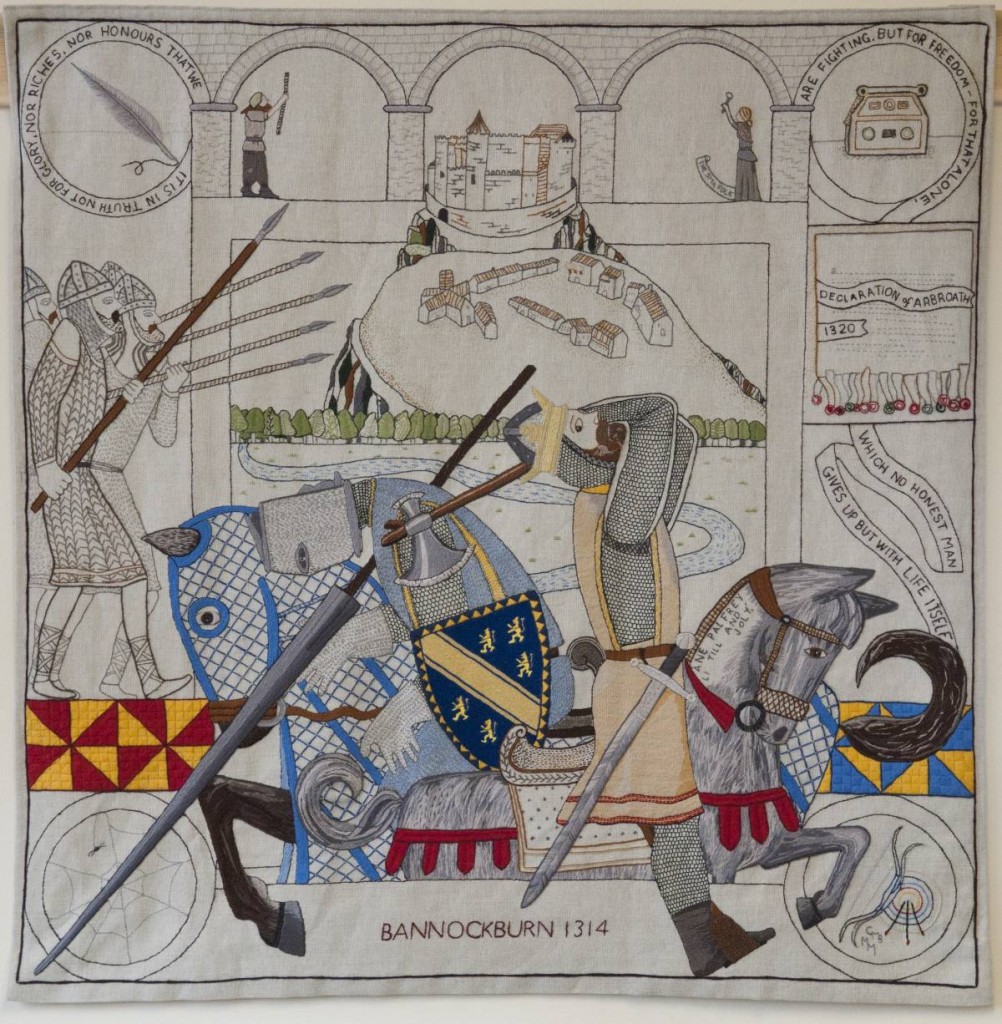
It took 1,000 volunteer stitchers more than 50,000 hours – and enough yarn to scale Ben Nevis 74 times to create this amazing tapestry.
It breaks the record for the longest embroidered tapestry in the world – at 143m, almost twice the length of the Bayeux Tapestry.
It tells the story of Scotland from pre-history to present day. It records Scotland’s history, heritage, innovations, and culture in 160 intricate panels.
But how do you squeeze 12,000 years of Scottish history into one tapestry?
Further information about the trip available soon.
August 2023: Summer Break
Friday 15th September 2023: Reiving – The Dark Tradition
Speaker: Michael Thomson
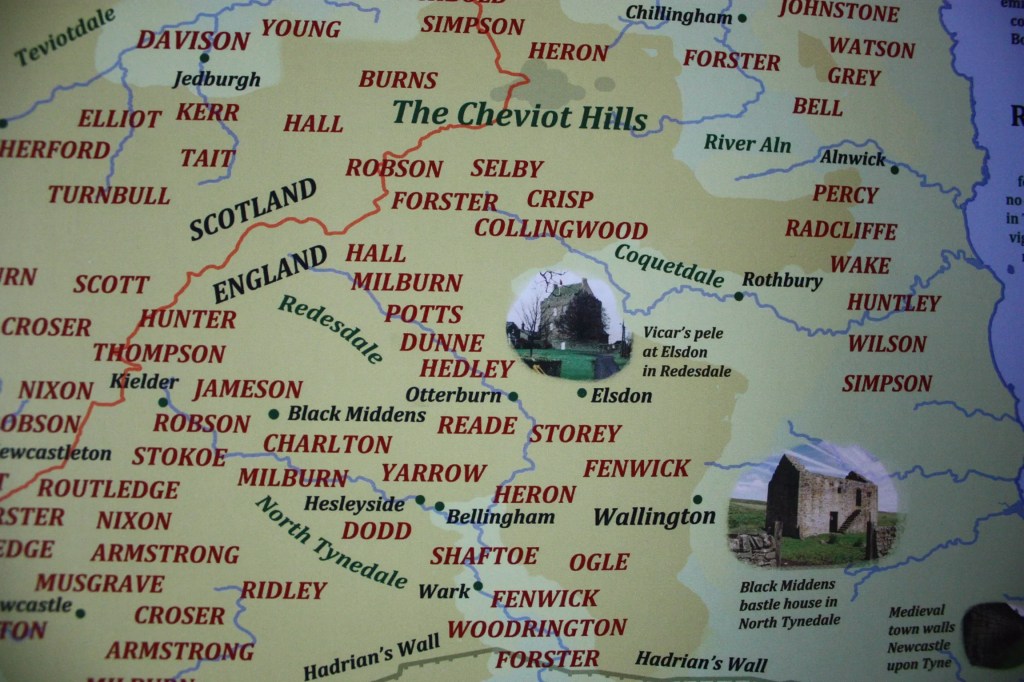
Until the 1600s the Northumberland/Scottish border was a lawless place. Cattle rustling, murder, arson and pillage were commonplace. People owed their loyalty to their families or clans. William Tomlinson records in his Guide to Northumberland (1888):
“The people of Rothbury in former times were among the wildest and most uncivilised in the county. For fighting, gaming, and drinking they had a worse reputation than the inhabitants of Tynedale and Redesdale. Very little regard had the good folk of Rothbury for the laws and their love of venison frequently led them into trouble”.
Michael’s presentation will include references to some local Reiver families, for example, Armstrong, Milburn, Pringle, Storey, Tait.
So, if you come from one of the Reiver families, please be advised that unruly behaviour at the meeting will not be tolerated. 😉
Friday 20th October 2023: Medieval Medicine – Myth or Magic
Speaker: Sandra Gann
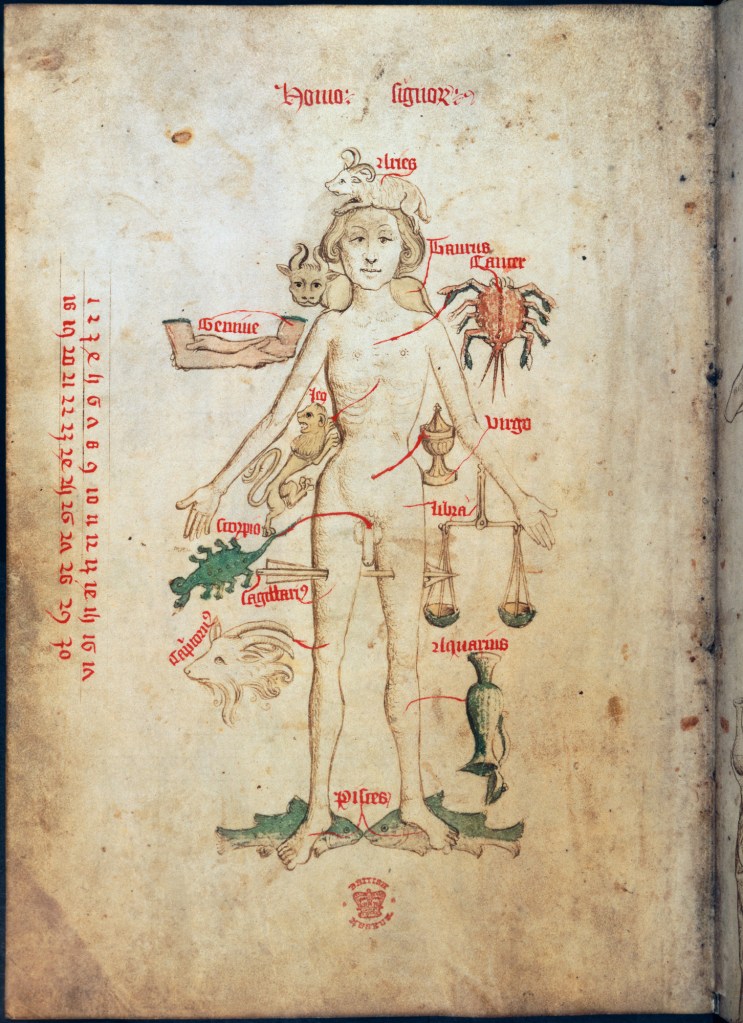
Sandra Gann, a former Lady Almoner at Barts Hospital, now researches the history of monastic medicine. Her recipe for analgesic cream should make us profoundly grateful for paracetamol.
Sandra explains the development of medicine and care in medieval society.
Examples of institutions providing care range from monastic hospitals to Barts in London and to a church in Soutra.
Most people could not afford the few trained doctors, so apothecaries or alchemists were commonly consulted as were women with knowledge of folk lore use of plants and superstitious rituals. All practitioners needed a good knowledge of astrology as the position of the planets played an important part in both diagnosis and remedy.
Friday 17th November 2023: Blood, Snot and Bile
Speaker: John Sadler
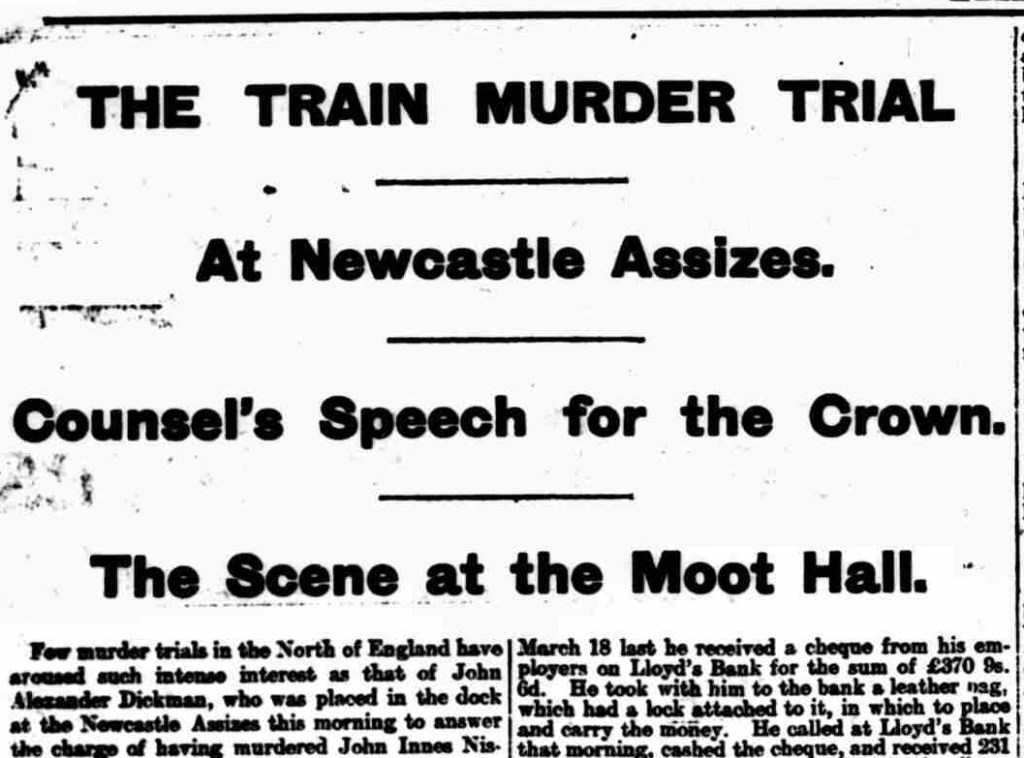
Hear about Newcastle’s grim past across the centuries. From medieval executions, the Border reivers, plague and pestilence, riots and civil commotion, witches and witch-finders, duels and many murders, crime and punishment, some hauntings, the Resurrectionists, Murder on the Alnmouth Train, to the swinging sixties and sawn-off shotguns.
Friday 15th December 2023: Christmas Special
Speakers: TBC
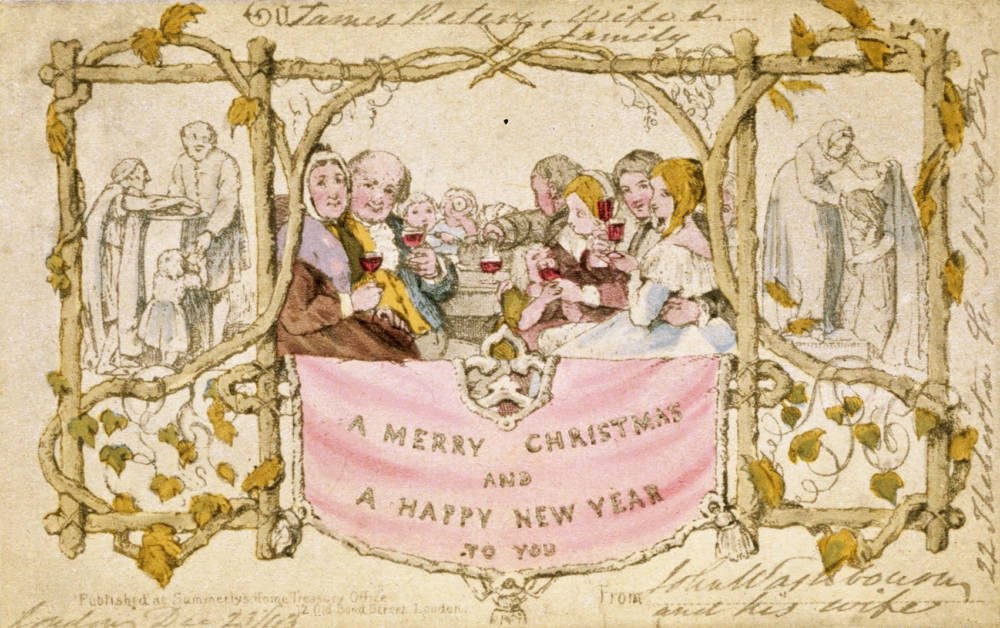
Greetings card, John Callcott Horsley, 1843, England. Museum no. MSL.3293-1987. © Victoria and Albert Museum, London.
Brief talks from our two guest speakers and a display of local historic photos etc. Wine and mince pies will be available.
Henry Cole (1808 – 1882) was a prominent civil-servant, educator, inventor and the first director of the V&A. In the 1840s, he was instrumental in reforming the British postal system, helping to set up the Uniform Penny Post which encouraged the sending of seasonal greetings on decorated letterheads and visiting cards. Christmas was a busy time in the Cole household and with unanswered mail piling up, a timesaving solution was needed. Henry turned to his friend, artist John Callcott Horsley to illustrate his idea.
Friday 19th January 2024: The Bevin Boys
Speaker: Liz O’Donnell
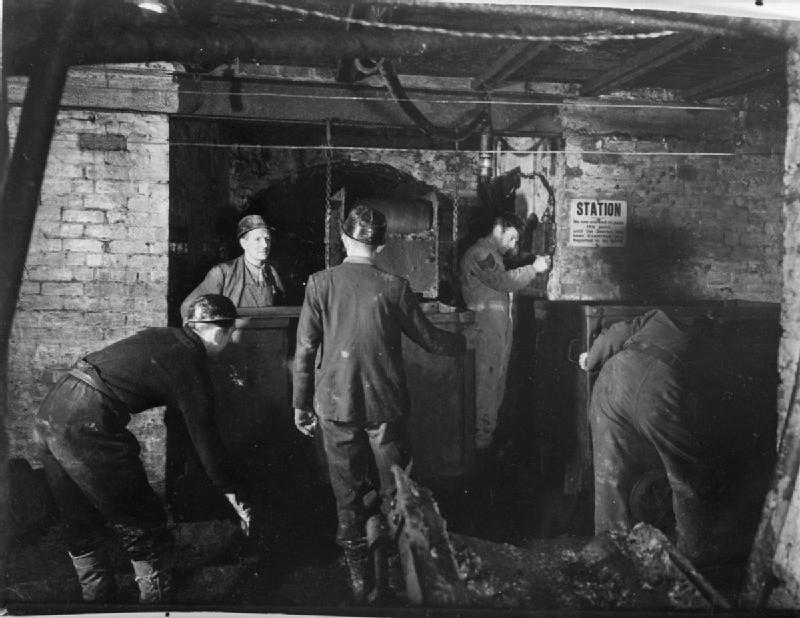
Bevin Boys receiving training from an experienced miner at Ollerton, Nottinghamshire, February 1945
Bevin Boys were young British men conscripted to work in coal mines between 1943 and 1948, to increase the rate of coal production, which had declined through the early years of World War II. The programme was named after Ernest Bevin who was Minister of Labour and National Service in the wartime coalition government.
Ten per cent of all male conscripts aged 18–25 were selected by lot to work in the pits as an alternative to military conscription, nearly 48,000 Bevin Boys performed vital and dangerous civil conscription service in coal mines.
Friday 16th February 2024: Winter Break.No events
Friday 15th March 2024: Current Archaeological work at Vindolanda and Magna
Speaker: Barbara Birley
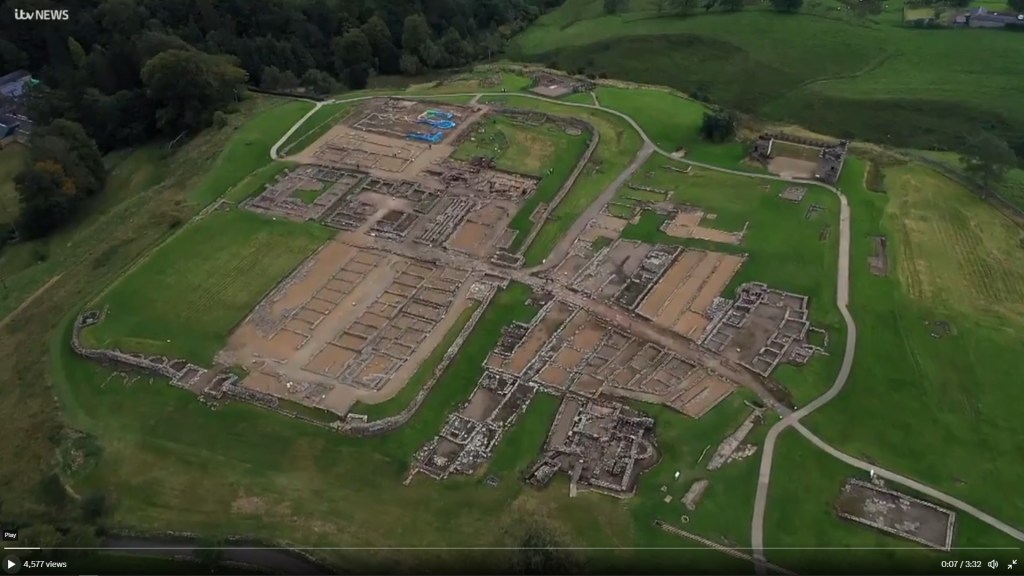
Barabara’s talk will include new developments at Vindoland itself and at Magna just north of Vindolanda
Recent digs at Vindolanda have produced some interesting finds. Including some graffiti which gives a fascinating window into the emotions of someone in the 3rd century.
Magna, unlike nearby Vindolanda, has never been subjected to a sustained excavation but recent geoarchaeological survey work has proved beyond doubt that Magna has some of, if not the richest, environmental deposits thus far identified from the World Heritage Site.
 Rothbury and Coquetdale History Society